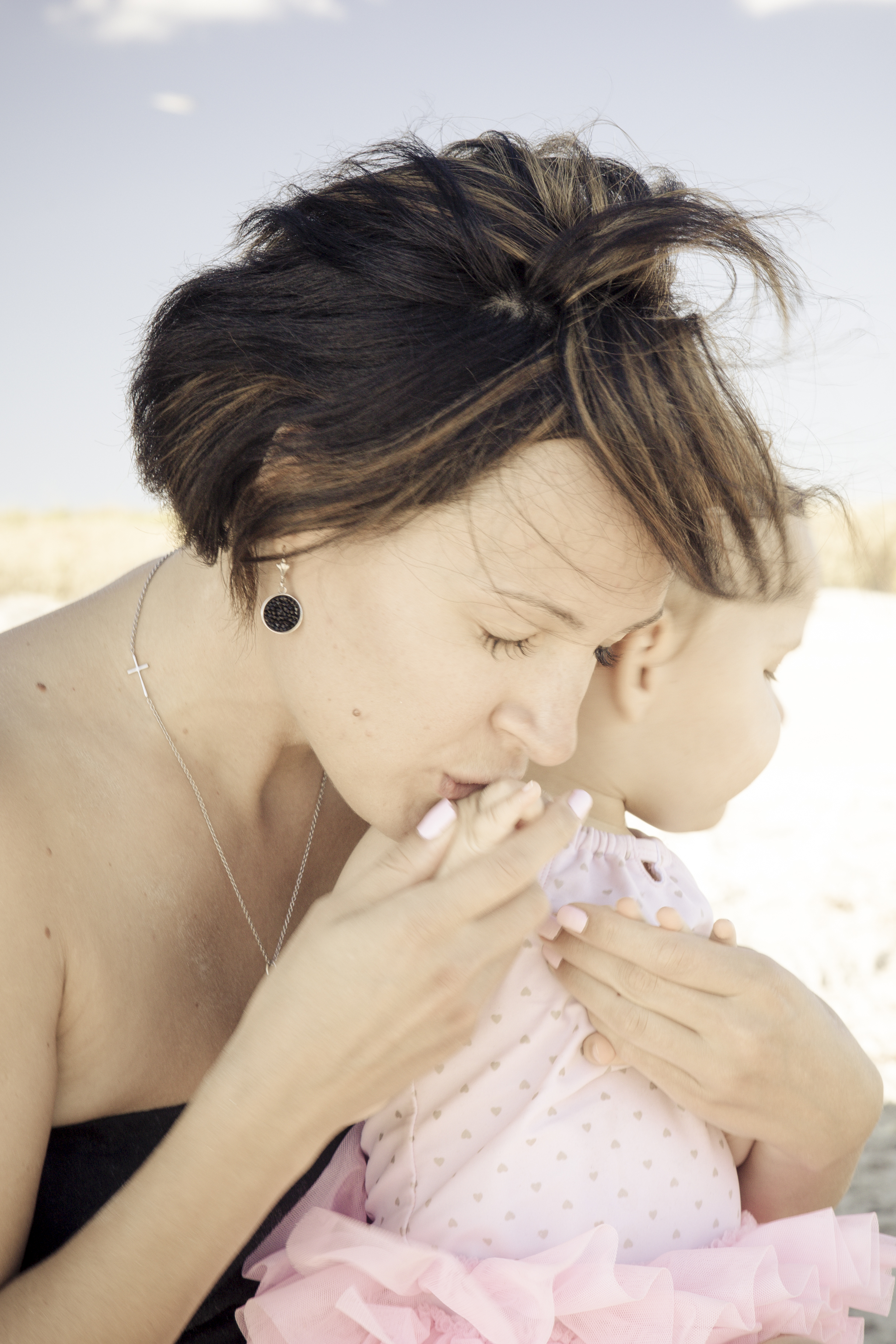
Luna’s Story: An Update

The meeting with the neurosurgeon prior to the surgery described the treatment scenarios on a scale of least invasive to most invasive, along with a likelihood of success in Luna’s specific case. The chosen path was not the most invasive, leaving a portion of her left hemisphere connected and functioning with the hopes it is not involved in seizure onset. This decision was based on experience and the best medical science available today. It was not a mathematical formula with a guaranteed outcome, but rather a first step. One that if successful, leaves her the most natural motor function possible. If you didn’t read her initial story, you can find it here.

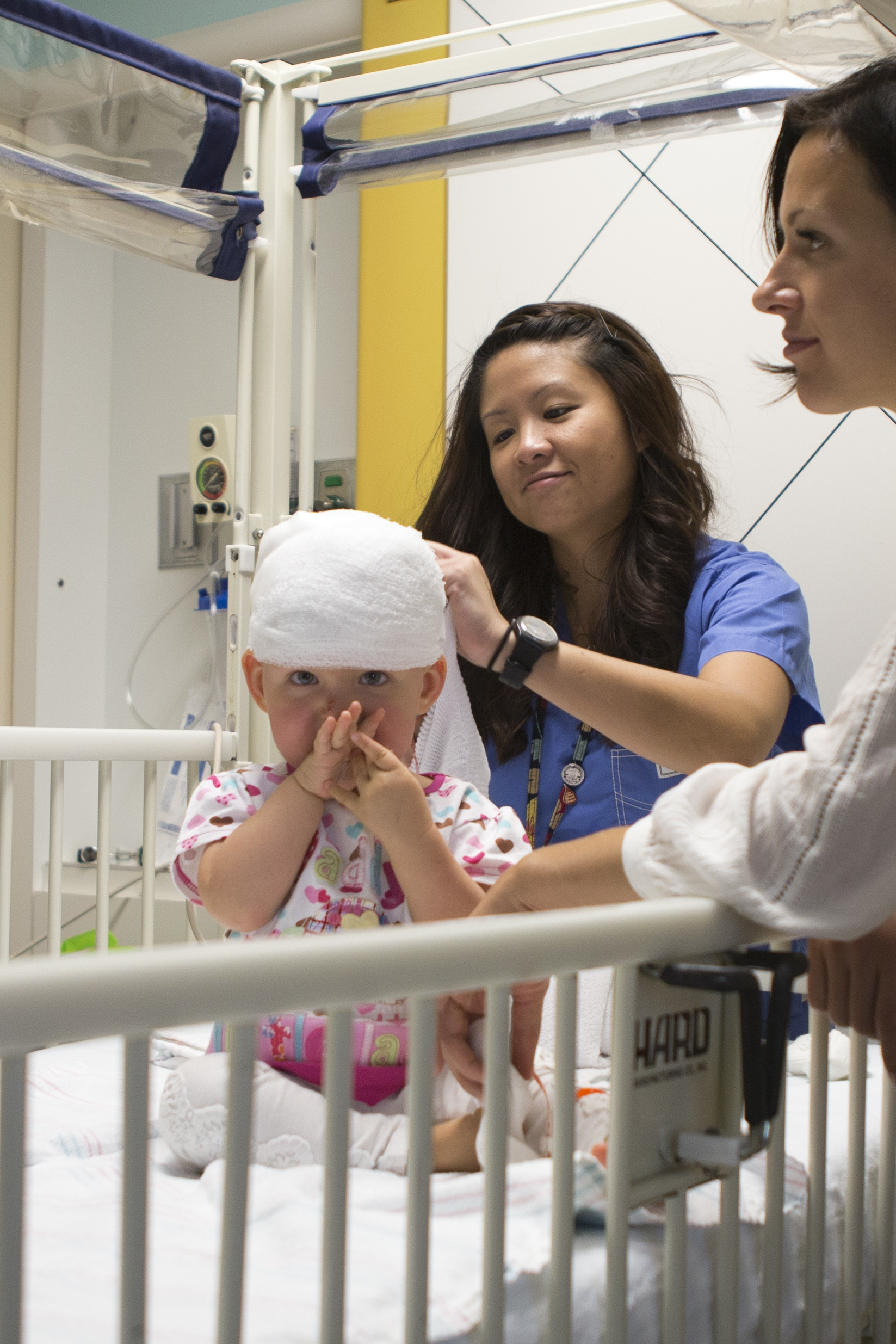
On November 6, Luna underwent what is called a TPO resection/disconnection in her left hemisphere. A known consequence is significant visual field cut in both eyes on the right side, a dense right sided hemianopsia. The actual procedure went very well and Luna recovered quickly. Here is a picture of good news from the waiting that day (Savanna was not particularly photogenic this day!)
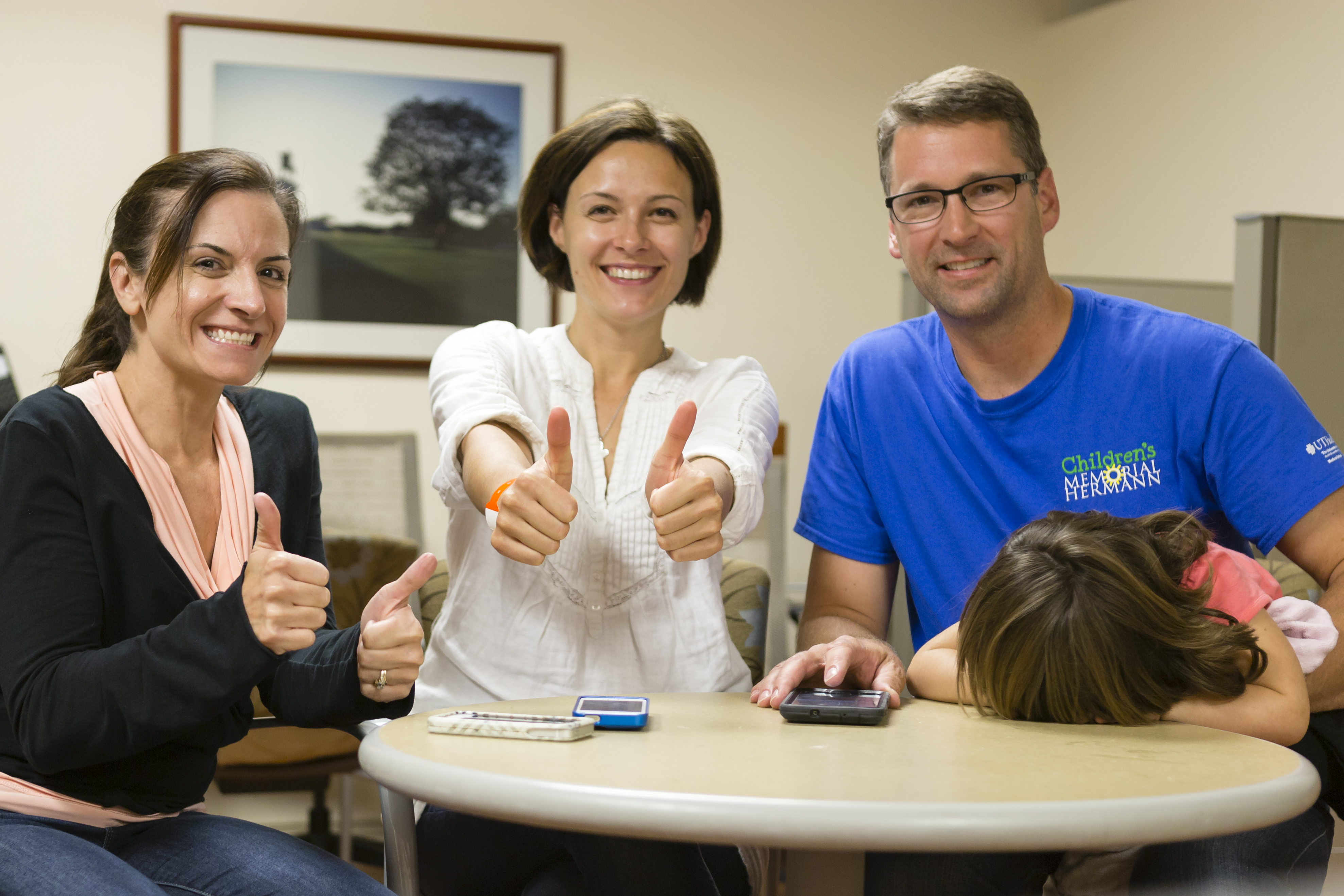
 

surgery day luna


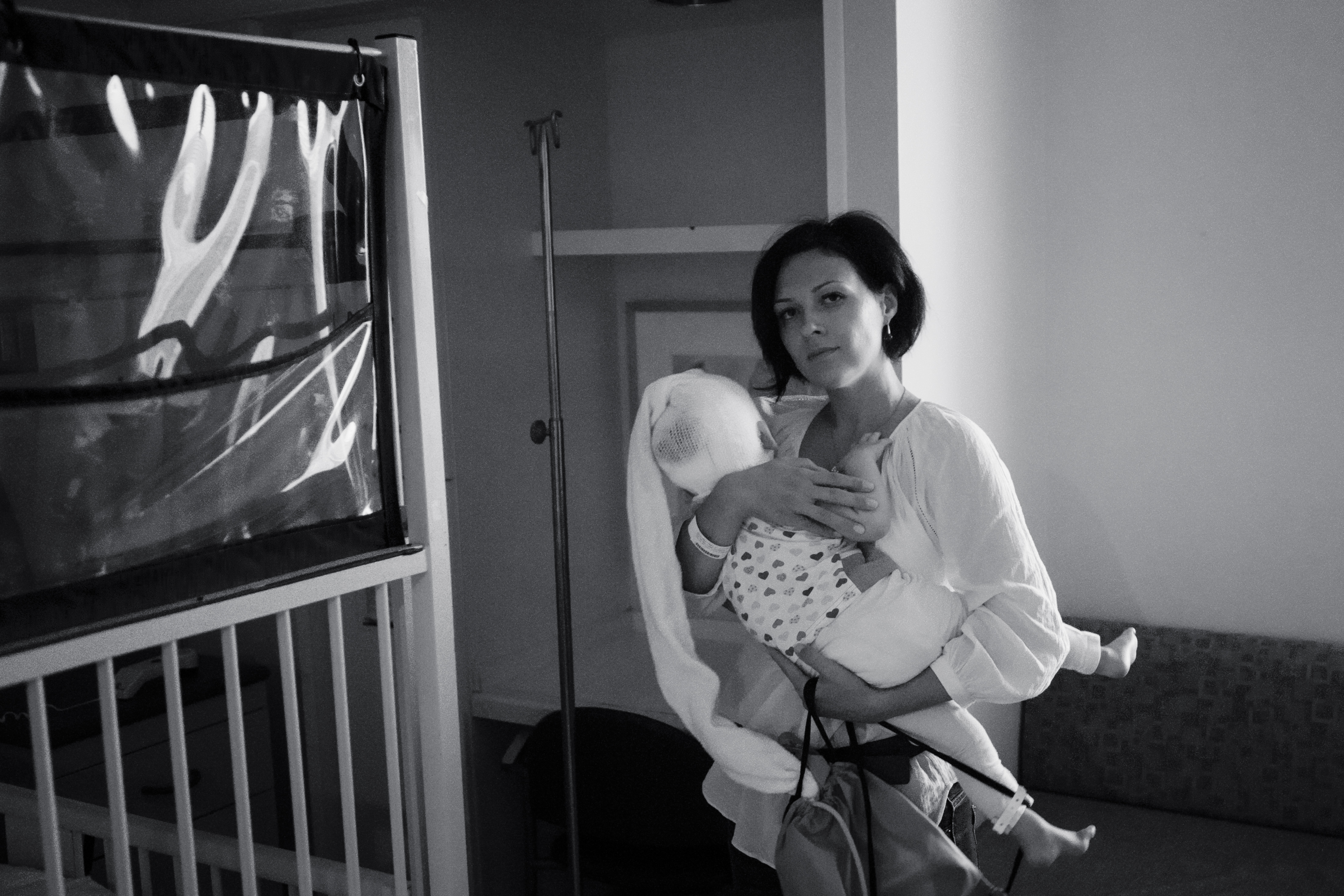
Luna like most in this immediate time following surgery, is quite unhappy often.  She doesn’t understand what happened to her or why. Her head itches, and probably hurts, but she can’t tell us in a way we immediately understand. She cries, and we do what all parents do, we just try to make it better any way possible. Her behavior and demeanor reminds me so much of Savanna during these days. I wish the pertinent doctors could be more aware of what this is like. When you try to speak with them about this, they really just don’t seem to care or have anything to help in the way of guidance, wisdom, or advice. I have come to realize they just don’t really know how hard it can be; how exhausting; how stressful. It is not to a fault in any way, it is just reality. You just can’t know unless you live through it personally.

Maria is returning to Norway completely emotionally drained, mentally exhausted, and physically hurting from holding and carrying Luna far more than you would ever carry or hold a normal 19 month-old.

The thought of being on a couple of airplanes for nearly 18 hours is just daunting to me, but she is determined.

So how is Luna?


luna after surgery


luna after surgery-2


The incision site looks great. She healing physically very well. She is not experiencing any complications.

Luna is much more calm overall. She is more focused and engaged with her environment.

She is changing rapidly during this time of recovery.

Some noticeable suspect activity has been seen. Luna needs more time to heal before officially ruling on this suspect activity, and a chance still exists that this activity will dissipate on its own.

She has some sensory processing issues she needs to work through, a process very difficult with the constant disturbance in her brain. Now she has a real chance to overcome these challenges, and in the short two weeks post-op we are already seeing these changes.

Luna has to tell us what she needs, metaphorically speaking.


luna after surgery-3


Prior to the surgery, I worked and worked with Luna to stand and take steps. The hypotonia in her feet and legs is significant. She stands but with locked legs, and muscle grading is poor – much like our Savanna experienced. After surgery, she is so much more focused and able to “think” about something such as walking. Here is a short video that is just amazing. I could not have done this with her a couple of weeks ago, without more or less carrying her through the process. She would have tried to turn left circles the entire time and cried while doing it, or as Maria calls it ‘protesting’. Now, she is very motivated.


What do you feel as a parent in this situation? What do you do next?

Well, first, you have to learn to wait. This is harder than it sounds, because the academic body of evidence is growing to act sooner rather than later with pediatric cases.

As a parent, your world hinges on the surgical success, something that can take some time to appropriately cast judgement.

You research others’ stories with an obsessive compulsion that can render you insane. With red eyes, you seek out that other child who looks just like yours; has seizures just like yours. What was their treatment path and outcome? How can I interpolate and extrapolate their path into mine? You fixate on their story, for better or for worse. But this is what we do as a parent of a child with intractable epilepsy in this ‘Google-centric’ world.

While not entirely healthy, you come up for air once in a while and find scholarly articles to educate yourself in an objective manner. Then you remember discussions with the pertinent doctors, the ones you put so much trust into already, and let their guidance help show the way. You go back and re-read diagnostic findings, again to help educate yourself.

You second guess every decision made in your child’s care. You realize that you cannot go back and relive anything, try anything differently, act differently or more quickly. This time has passed and all you have is the future, on a new path post-op.

To use a very American analogy… At this juncture, as a parent, you have left the college sports ranks and joined the professional athletes. When you run through the tunnel onto the pro playing field/court, the same game is very different. And as a pro, success means embracing this change. You have to expand your mind. You must adapt to a larger set of variables, more potential consequences, and then re-calibrate your mind with regard to what “success” really means. Going back to the college days, is no longer an option.

On top of all this brow-beating and compulsive ‘googling’, Maria has secured a work position here in Houston for the next couple of years and sold her beloved house in Norway. She returns to Norway today to finalize her move to the USA for employment and spend much needed time with her other daughter. We will get to see her again in the future and look forward to seeing Luna’s progress.

IS Awareness Week: Luna’s Story

Here in Houston, an 18 month old girl from Norway named Luna awaits surgical intervention to control her epilepsy. Her mom knowing full well this is Luna’s only chance to get real help. She has experienced more than a year of uncontrolled seizures, with only a few brief periods of control on steroid therapy. She is suffering from Infantile Spasms, a very catastrophic form of childhood epilepsy.

Luna 11-6-2014

About a year ago, I came across a post in a FB support group from a desperate mom looking for help. She posted videos, and asked for assistance and advice about interpreting the video and what she should do. Already at this early stage, she was questioning the Norwegian doctor and plan of care. I reviewed the spine-tingling video, and saw right away a likely cluster of IS, and a second process that seemed very asymmetric in clinical presentation. She was so similar to our Savanna, but yet so different.

She explained the treatment plans in place from her neurologist. She translated documents for review. I advised her how cases like hers are handled here in the USA at a facility familiar with IS, the kind of tests usually ordered and why, and why it is so important to move quickly and accurately with the workup.

As the workflow progressed in her treatment, at a small hospital in Oslo, I remember experiencing a sinking feeling after her clinic appointments with her neurologist. It just didn’t sound like their doctors saw the situation as an emergency, nor did they have the resources to appropriately evaluate Luna or treat her such that she would have the best chance at seizure control.

Two things I learned over the past few years dealing with IS/childhood epilepsy: 1) Time is Critical, and 2) Workflow (the process) is Important – especially when the cause is idiopathic or cryptogenic. This is not to say a symptomatic case should not be treated similarly. Etiology can play a significant role in therapy choices or schedules.

It became clear after about 6 months, Luna simply wasn’t going to get the best chance at seizure control in Norway. We talked frequently and the idea of traveling away from Norway for help was born.

I kept having to remind myself, that Luna is in a socialized healthcare system, and this can be the way it is in these extreme cases in such a government-controlled healthcare system.  While Norway does have a more appropriate hospital for Luna, it was the access to the services that seemed draconian after seeing what is possible in other countries, especially the USA. For those that have lived through the nightmare of IS, can you imaging having to wait for nearly 6 months to get your first 24 hour EEG with video? Me either. Until that point Luna only underwent only 15 minute EEG diagnostics, without video.

High dose steroids were the only therapy that had a positive affect; producing brief seizure free periods. Several other drug trials failed to control Luna’s epilepsy and also resulted in marked negative side-effects.

Even a trip to Bonn, Germany, resulted in a “come back in six months” outcome, after diagnostics produced results insufficient to justify additional diagnostics. Here in the USA, those same results most certainly would have justified an additional scan or two. I remember being so let down by the results of that trip, beside myself at how different other countries view IS.

Finally, 10 months after her journey began, she was able to get an FDG-PET scan, (her first one!), only after a epileptologist in Australia called in the order to a facility in London. Another expensive “self-pay” excursion to another country, much like their visit to Bonn.

Luna

By that time she had also contacted our doctor here in Houston, and had arranged a consultation date.

Access to surgical services looked viable in EU and in AU. And the doctor in Melbourne seemed confident about what Luna needed. Suddenly, the outlook looked good. Timing became an issue in the EU as surgery was many months away, and access to socialized services in AU seemed out of reach after some effort.

Two months later, she arrives here in the USA, after having raised nearly all the necessary funds to cover the cost of a “self-pay” surgical workup and epilepsy surgery.

Austin-Savanna Third Birthday-17

A streamlined plan consisted of a week of diagnostics followed by a week of information review, then surgery the following week. Celebration!

Luna-2

Luna-3

2nd pedi epilepsy reunion-11

Then suddenly a question during the VEEG/LTM: Has she been tested for CDKL5 mutations? In that one second, the entire plan appeared jeopardized. A thorough review of  records produced no test results. Calls to the Neurologist in Norway produced no immediate answers. Surgery now on hold, a comprehensive targeted genetic panel was initiated. It took three weeks to get results, during which time the Norwegian Neurologist finally confirmed she was tested for a host of genes in question, and was negative.  Exhale!

So we have a new schedule for a surgical date. All is a go, again!

Then the unthinkable: she gets sick. A common cold, that of course produces the cruddy cough, and the sound of doom: congestion. Then it produced ear infections, which was icing on the cake.

How she made it nearly 5 weeks in our house without getting sick is beyond me. We are performing every possible prophylactic measure to get her healthy as the battle with Anesthia continues. Yes, battle is the correct terminology. The procedure Luna is going to undergo requires several players on the team. One is the Anesthesiologist. They really don’t care at all why she is there or the reason for the procedure. It is so frustrating when a doctor who’s only involvement in her care is that day’s events can derail concrete plans, for a clear runny nose.

There are two types of people in this world: 1) Those who say Yes, I can help! and 2) Those who just say No.

It takes work to say YES or be positive. It requires assuming more risk. It often requires making difficult decisions and sacrifices. It is a conscious choice to say yes and be positive.

It takes zero effort to say NO and be pessimistic. It requires assuming no risk. It requires no further decisions or sacrifices. It is easy to say No and be negative.

In this case….. It’s an over the phone diagnosis: your surgery is cancelled, and I really don’t care what you think. Call you neurosurgeon’s office and reschedule two weeks after her last sneeze. Just the Friday afternoon call a neurosurgeon enjoys about a Monday procedure.

This position minimizes the risk assumed by you and by the institution. Which is interesting because the other doctors and the institution have agreed to allow the neurosurgeon latitude to operate – which may not work – and yet still leave her with permanent deficits. But, wait! Patient Safety!

When in doubt, pull this one out: It’s All About Patient Safety! Sorry, but no surgery. This is like liberals using the race card in a debate when the know they have lost on the facts. It is infuriating and in this case quite insulting. Right, it is much safer to continue to suffer a catastrophic seizure disorder than the potential of a sore throat after surgery. Right. Any parent of a child like Luna arriving at this moment sees right through this argument. Enough said.

We have finally reached The Big Day. An emotional blender full of tears, anguish, and hope. All the sacrifice. All to arrive at this moment in time where you kiss you child goodbye, not 100% sure what is going to happen. May God keep our children safe and guide the hands helping Luna today.

Galveston Oct 26 2014_-16

Today is Luna’s last day to suffer from IS.

You can follow her journey on FB here.